
VENTILATION ASSOCIATED PNEUMONIA (VAP) IN ACUTE HOSPITALS
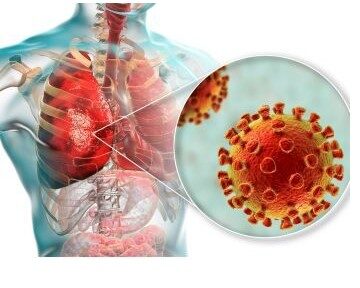
Ventilator-Associated Pneumonia (VAP) is a nosocomial infection occurring in patients who have been mechanically ventilated for at least 48 hours, with an incidence of approximately 30% [1,2].It represents a critical complication in intensive care units, and is associated with male sex, smoking, and a high APACHE II score, while antibiotic prophylaxis appears to have a protective effect [1]. Diagnosis is based on pathogen detection tests and clinical signs [3], although prevention remains essential [4].Effective preventive strategies include oral hygiene [5,6], subglottic secretion aspiration, and early mobilization. The use of chlorhexidine for oral decontamination is not recommended [7–8], whereas oxidizing and saline solutions have shown promising results [5].A 45° head-of-bed elevation reduces the risk of VAP, but in neurological patients a 30° elevation is preferable [9]. Silver-coated endotracheal tubes may reduce the risk of VAP, although further studies are needed [10].Enteral nutrition delivered via naso-intestinal tubes and abdominal massage may help reduce VAP incidence [11,12]. Candida colonization in ventilated patients is common and may influence clinical prognosis [13].Inhaled antibiotics, such as colistin, can reduce VAP without increasing antimicrobial resistance [14]. Early tracheostomy may shorten the length of hospital stay, although its impact on VAP remains uncertain [15].Endotracheal cuff pressure monitoring and the use of endotracheal tubes with subglottic secretion drainage improve prevention [16].Probiotics may be beneficial, although definitive evidence is still lacking [17].Finally, care bundles represent effective tools for VAP prevention, although additional studies are needed to optimize their implementation [18,19].
References
[1] Li, J. et al. (2024). Prediction models for the risk of ventilator-associated pneumonia in patients on mechanical ventilation: A systematic review and meta-analysis. American journal of infection control, 52(12), 1438–1451.
[2] Papazian, L et al.. (2020). Ventilator-associated pneumonia in adults: a narrative review. Intensive care medicine, 46(5), 888–906.
[3] Frondelius, T. et al. (2022). Diagnostic and prognostic prediction models in ventilator-associated pneumonia: Systematic review and meta-analysis of prediction modelling studies. Journal of critical care, 67, 44–56.
[4] Cotoia, A. et al. (2020). Pathogenesis-Targeted Preventive Strategies for Multidrug Resistant Ventilator-Associated Pneumonia: A Narrative Review. Microorganisms, 8(6), 821.
[5] He, Q. et al. Effect of different mouthwashes on ventilator-related outcomes and mortality in intensive care unit patients: A network meta-analysis. Australian critical care : official journal of the Confederation of Australian Critical Care Nurses, 38(1), 101095.
[6] Ehrenzeller, S et al. (2024). Association Between Daily Toothbrushing and Hospital-Acquired Pneumonia: A Systematic Review and Meta-Analysis. JAMA internal medicine, 184(2), 131–142.
[7] De Cassai, A. et al. (2024). Chlorhexidine is not effective at any concentration in preventing ventilator-associated pneumonia: a systematic review and network meta-analysis. Journal of anesthesia, analgesia and critical care, 4(1), 30.
[8] Klompas, M. et al.. (2022). Strategies to prevent ventilator-associated pneumonia, ventilator-associated events, and nonventilator hospital-acquired pneumonia in acute-care hospitals: 2022 Update. Infection control and hospital epidemiology, 43(6), 687–713.
[9] Mohammad, E. B et al. (2024). Oral Care and Positioning to Prevent Ventilator-Associated Pneumonia: A Systematic Review. SAGE open nursing, 10, 23779608241271699.
[10] de Mendonça Bisneto, O. et al. (2024). Conventional endotracheal tubes versus polymer-coated tubes in ventilator-associated pneumonia development: A systematic review and meta-analysis. Heliyon, 11(1), e40793.
[11] Liu, C. et al. (2025). Naso-intestinal versus gastric tube for enteral nutrition in patients undergoing mechanical ventilation: a systematic review and meta-analysis. Systematic reviews, 14(1), 13. [12] Şimşek, H. et al. (2024). Effect of abdominal massage in preventing ventilator-associated pneumonia in patients connected to mechanical ventilators: A systematic review. Nursing in critical care, 29(6), 1535–1544.
[13] Liu, Y et al.. (2025). Effects of Candida colonization on patients with ventilator-associated pneumonia and pathogenic microorganisms: Systematic review and meta-analysis. Diagnostic microbiology and infectious disease, 111(1), 116580.
[14] Hsu, W. H et al.. (2024). The preventive effect of inhaled antibiotic against ventilator-associated pneumonia: A systematic review and meta-analysis. International journal of antimicrobial agents, 64(5), 107324.
[15] Merola, R., et al. (2024). Timing of Tracheostomy in ICU Patients: A Systematic Review and Meta-Analysis of Randomized Controlled Trials. Life (Basel, Switzerland), 14(9), 1165.
[16] Wu, Y. et al. (2024). Continuous Versus Intermittent Control Cuff Pressure for Preventing Ventilator-Associated Pneumonia: An Updated Meta-Analysis. Journal of intensive care medicine, 39(9), 829–839.
[17] Anvarifard, P. et al. (2024). The effectiveness of probiotics as an adjunct therapy in patients under mechanical ventilation: an umbrella systematic review and meta-analysis. Food & function, 15(11), 5737–5751.
[18] Hill, B. et al. (2024). Infection prevention and control: critical strategies for nursing practice. British journal of nursing (Mark Allen Publishing), 33(17), 804–811.
[19] Sebastiani, E et al.. (2024). Identifying the Bundle/Care Development Process in Clinical Risk Management: A Systematic Review. Healthcare (Basel, Switzerland), 12(22), 2242.
Research Studies and Reviews
- De Cassai, A et al.. (2024). Chlorhexidine is not effective at any concentration in preventing ventilator-associated pneumonia: a systematic review and network meta-analysis. Journal of anesthesia, analgesia and critical care, 4(1), 30
- Lukasewicz Ferreira SA et al. Factors predicting non-ventilated hospital-acquired pneumonia: systematic review and meta-analysis. The Journal of hospital infection, 2022;119, 64–76.
- Batra P et al. Efficacy of probiotics in the prevention of VAP in critically ill ICU patients: an updated systematic review and meta-analysis of randomized control trials. Journal of intensive care, 2020;8,81.
- Ladbrook ME et al. A Systematic Scoping Review of the Cost-Impact of Ventilator-Associated Pneumonia (VAP) Intervention Bundles in Intensive Care. American journal of infection control, 2020;S0196-6553(20)31036-1
- Martin-Loeches, I. et al.(2018). New guidelines for hospital-acquired pneumonia/ventilator-associated pneumonia: USA vs. Europe. Current opinion in critical care, 24(5), 347–352
- Seguin P et al. Effect of oropharyngeal povidone-iodine preventive oral care on ventilator-associated pneumonia in severely brain-injured or cerebral hemorrhage patients: a multicenter, randomized controlled trial. Critical care medicine, 2014;42(1), 1-8
- Cheema, H. A et al. Probiotics for the Prevention of Ventilator-Associated Pneumonia: An Updated Systematic Review and Meta-Analysis of Randomised Controlled Trials. Nutrients. 2022;14(8),1600
- Bassi, G. L et al. Body Position and Ventilator-Associated Pneumonia Prevention. Seminars in respiratory and critical care medicine. 2017;38(3), 371–380
- Álvarez-Lerma F et al. Prevention of ventilator-associated pneumonia: the multimodal approach of the Spanish ICU “Pneumonia Zero” program. Crit Care Med. 2018;46:181–8.
- Wang L et al. Semi-recumbent position versus supine position for the prevention of ventilator-associated pneumonia in adults requiring mechanical ventilation. Cochrane Database Syst Rev. 2016
- Klompas M et al. Reappraisal of routine oral care with chlorhexidine gluconate for patients receiving mechanical ventilation: systematic review and meta-analysis. JAMA Intern Med. 2014;174:751-761.
- Rabello, F., Araújo, V. E., & Magalhães, S. Effectiveness of oral chlorhexidine for the prevention of nosocomial pneumonia and ventilator-associated pneumonia in intensive care units: Overview of systematic reviews. International journal of dental hygiene.2018;16(4), 441–449
- Ji, W, McKenna et al. Development and assessment of objective surveillance definitions for nonventilator hospital-acquired pneumonia. JAMA Netw Open 2019;2:e1913674
- Wolfensberger A. et al. Implementation and evaluation of a care bundle for prevention of non-ventilator-associated hospital-acquired pneumonia (nvHAP) - a mixed-methods study protocol for a hybrid type 2 effectiveness-implementation trial. BMC infectious diseases.2020;20(1), 603
- Munro S et al. (2021). Nonventilator hospital-acquired pneumonia: A call to action: Recommendations from the National Organization to Prevent Hospital-Acquired Pneumonia (NOHAP) among nonventilated patients. Infection Control & Hospital Epidemiology, 42(8), 991-996
- Baker D & Giuliano K. Prevention practices for nonventilator hospital-acquired pneumonia: A survey of the Society for Healthcare Epidemiology of America (SHEA) Research Network (SRN). Infection Control & Hospital Epidemiology. 2020;43(3), 379-380
GUIDELINES AND REFERENCE STANDARDS
- CDC, January 2025, Ventilator-Associated Event (VAE) For use in adult locations only
- ISID. Guide to infection control in the healthcare setting. Recommendations for the prevention of ventilator-associated pneumonia. Last updated: June 2024.
- NICE Pneumonia in adults: diagnosis and management. Clinical guideline Published: 3 December 2014 Last updated: 31 October 2023
- Klompas M et al. Strategies to prevent ventilator-associated pneumonia, ventilator-associated events, and nonventilator hospital-acquired pneumonia in acute-care hospitals: 2022 Update. Infection control and hospital epidemiology, 43(6), 687–713.
- Kalil AC et al. Management of adults with hospital-acquired and ventilator-associated pneumonia: 2016 clinical practice guidelines by the Infectious Diseases Society of America and the American Thoracic Society. Clinical Infectious Diseases, 2016;63(5), e61-e111.
- Klompas, M et al. Strategies to prevent ventilator-associated pneumonia in acute care hospitals: 2014 update. Infection Control &Hospital Epidemiology, 2014;35(S2), S133-S154.
- Torres, A et al. International ERS/ESICM/ESCMID/ALAT guidelines for the management of hospital-acquired pneumonia and ventilator-associated pneumonia: guidelines for the management of hospital-acquired pneumonia (HAP)/ventilator-associatedpneumonia (VAP) of the European Respiratory Society (ERS), European Society ofIntensive Care Medicine (ESICM), European Society of Clinical Microbiology andInfectious Diseases (ESCMID) and Asociación Latinoamericana del Tórax (ALAT). EuropeanRespiratory Journal, 2017;50(3).
[Last update February 2025]
Content and updates curated by Eva Cappelli